23rd October, 2026
One afternoon last year, amidst December lunchroom chatter, I thought it would be fun to force my coworkers into the classic ‘What’s your New Year’s resolution?’ Q&A. I didn’t expect the question to make a loop around the table and come back to bite me, but of course, it did, and of course, I had to think on my feet.
I’m not big on New Year’s resolutions – for all the same reasons I thought it would be funny to ask coworkers about theirs. They’re unrealistic, uncomfortable, cheesy and/or pressure-inducing – we’ve had the same conversations over and over for years, you know what I’m saying. So when my kind coworker asked, “well what about you, Ty? What do you want to achieve in 2026?”, I was like, “You know, actually, I think I’d like to achieve less next year. My only goal is to have fun.” Complete cop-out, I know. But I stand by it.
Everyone seemed to nod in agreement. We had a quick, lightly uncomfortable chat about how busy I’d been in months prior, how full my plate can be before I risk dropping it all on the floor. I felt a certain defensive spirit rise inside me and insisted that I’d really learned to look after myself in the past 12 months. Another kind coworker added in – “We all need a bit of rest in 2026.”
I thought about this conversation for a few days. I wondered why the suggestion of my stress had stirred up such defensiveness in me. I hoped that I’d been a positive presence in the office, and hadn’t dragged any out-of-place stress into my casual one-day-a-week job. I really did learn to balance my work and play last year, letting each leak into the other. I had fun at work, and I brought work-like dedication to my personal life. I was and am proud of myself for that. That must be why it stuck, and why I felt the need to tip-tap this whole rant out. Stick with me if you like – or go focus on your own quarter-life musings, if you prefer. Happy new year!
Taking on ‘rest’ in your mid-20s
Life can be tough for everyone, no matter your age; insert generic comment about the cost of living, housing market, wealth inequality – we’re all on the same page, and we’re all fighting the ‘back in my day’ wars. But I am proud to be a young adult in 2026 because I’m in great company. My generation is full of educated, passionate, staunch, kind, and hopeful people. We talk about work-life balance, about mental health, about logging off, taking it easy, looking after ourselves, filling one’s cup, etc. It all comes with frustrating stereotypes and serious challenges, but I think we’re on to something. My one concern is this: a lot of us think of ‘rest’ as the opposite of ‘work’, and I think we’ve got it all wrong.
Literally what are you saying?
I’d like to reframe ‘rest’ this year – of course, we need some number of hours to ourselves in a week, and it’s great to sit and do nothing, but I’m definitely not the only person who struggles with the idea of sitting still.
We’ve all been told we need to rest at some stage, that we’re too busy, we’re burning out, and we need to take some time to just relax. We’ve all laid on the couch, tried to take a midday nap, and couldn’t shake the guilty itch of our pending to-do lists. And then, bam, we’re too burned out to get things done, and we’re not even rested enough to successfully rest! (aggravating, I know.)
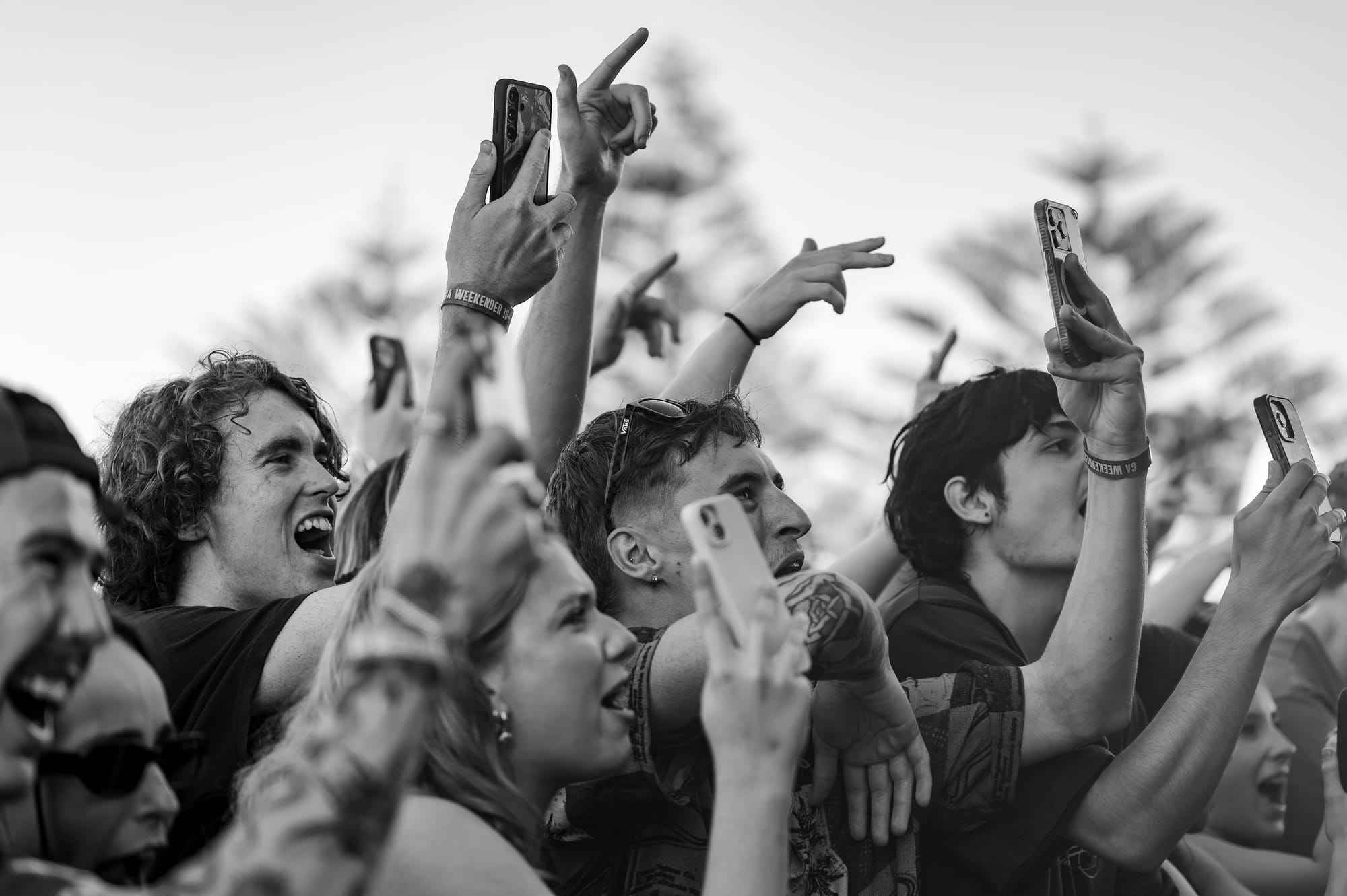
I’ll tell you what though, I’ve never been paralysed by guilt or urgency in the middle of a concert crowd. My to-do list has never once crossed my mind while I’m having a boogie with my buddies at a show. (If you’re not into concerts, please insert your own idea of fun here, and follow along with my little analogy).
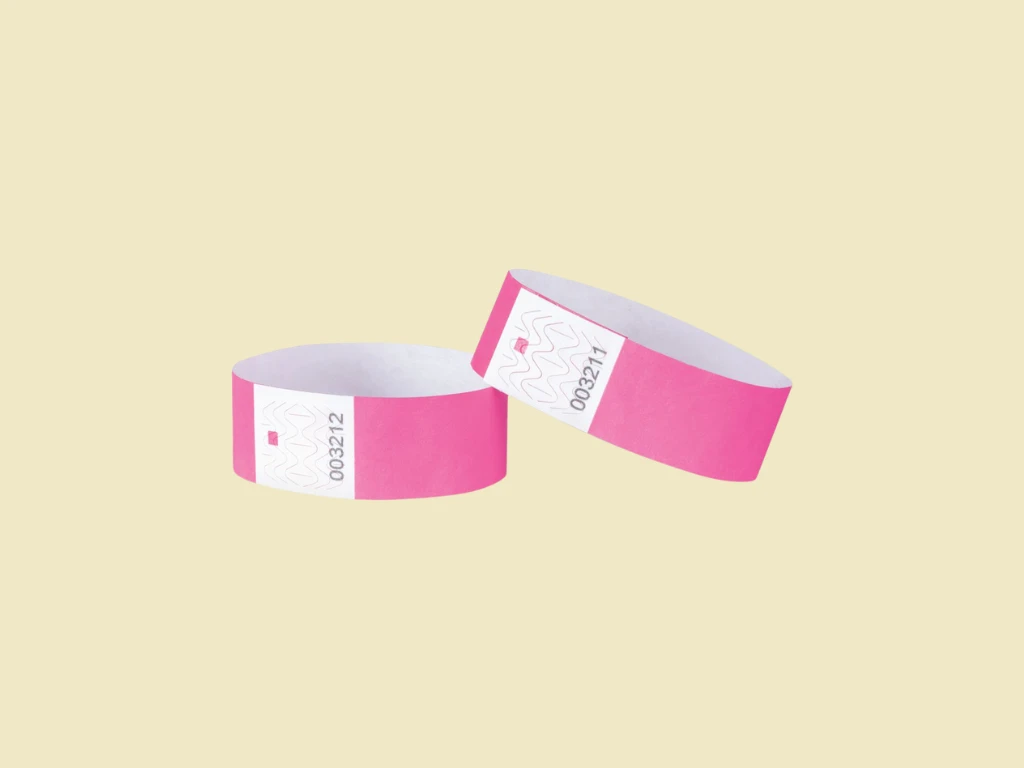
It’s the day of the concert. The one you’ve been looking forward to – you know, your favourite artist, your favourite venue, beautiful weather, outfit picked out, train schedule studied. You bought the tickets 6 months ago, the day before your paycheck came in, but you made it work because you just had to be there. You took that bit of annual leave, scribbled it on the calendar, organised to meet up with your friends… You did whatever it took to get that silly paper wristband at the door and have yourself a beautiful night. You’ve got a friend who would have loved to be there, but they couldn’t make it. You’re excited to tell them all about it tomorrow. You’re absolutely gleaming to hear your favourite song, sing along with the pushy strangers beside you, post your 15-second video on Instagram, watch it back in the morning – the whole 9 yards. It was awesome – and congratulations, you’ve gone to the effort of prioritising this moment of joy, all other factors foregone.
As a fun physiological reward, you’re going to have the best sleep of your life tonight. You’re going to wake up tomorrow with a breath of fresh air and a positive outlook on your day. Your hours of jumping around in the crowd haven’t exhausted you, as it turns out, you’ve never felt better. You can ignore the little pain in your knee, because any consequences are absolutely worth it – no big deal!
So, what’s your point? You ask.
My point is this: you are a better person because of that experience, because you decided to do the thing that makes you the person you are (having a good time, whatever that means for you). And the benefits aren’t only yours to reap – that’s the best part – joy makes us more resilient, more optimistic, more open and accepting of the little things that tip us over the edge when we’re tired and trudging through.
The day after the concert, you go back to work, and your co-worker (let’s call him Phil) does that inconvenient or uncomfortable thing he does. You’re more understanding and patient than you were yesterday, because this small inconvenient thing means absolutely nothing in the scheme of things. It’s not a big deal, you tell Phil, and honestly, that makes Phil’s day a little less stressful too.
Your joy is important; treat it as such
Of course, it would be remiss to ignore the many, many challenges we all face in facilitating joy. Yes, yes, late-stage capitalism, global warming, the socio-political state of the world, multiple genocidal dictators, modern pressures and influences – I don’t need to give you the whole disclaimer spiel – we’re all concerned about something, and rightfully so.
I hesitate to claim that the solutions we’re after lie dormant in our own untapped pockets of joy – because I don’t want to recommend burying our heads in the ‘toxic positivity’ sand. That’s not what I’m getting at. But I know you know it feels good to do the right thing, and that’s why it’s important to feel good. So we can do the right thing more often.
I’m certainly not pitching any new ideas here. But I’ll leave you with this – progress only happens in the pursuit of joy. We only want better for ourselves and others because we know what ‘better’ feels like. You learn what is right and wrong from joy, and you recharge through joy, and when you’ve had your fix of fun, connection and self-actualisation, you will inevitably deliver the same thing to others. It’s really simple stuff; we need not overcomplicate it. Joy is the most important thing in all our lives. It is literally what we live for. So, to paraphrase my kind coworker – “We all need a bit of rest fun in 2026.”